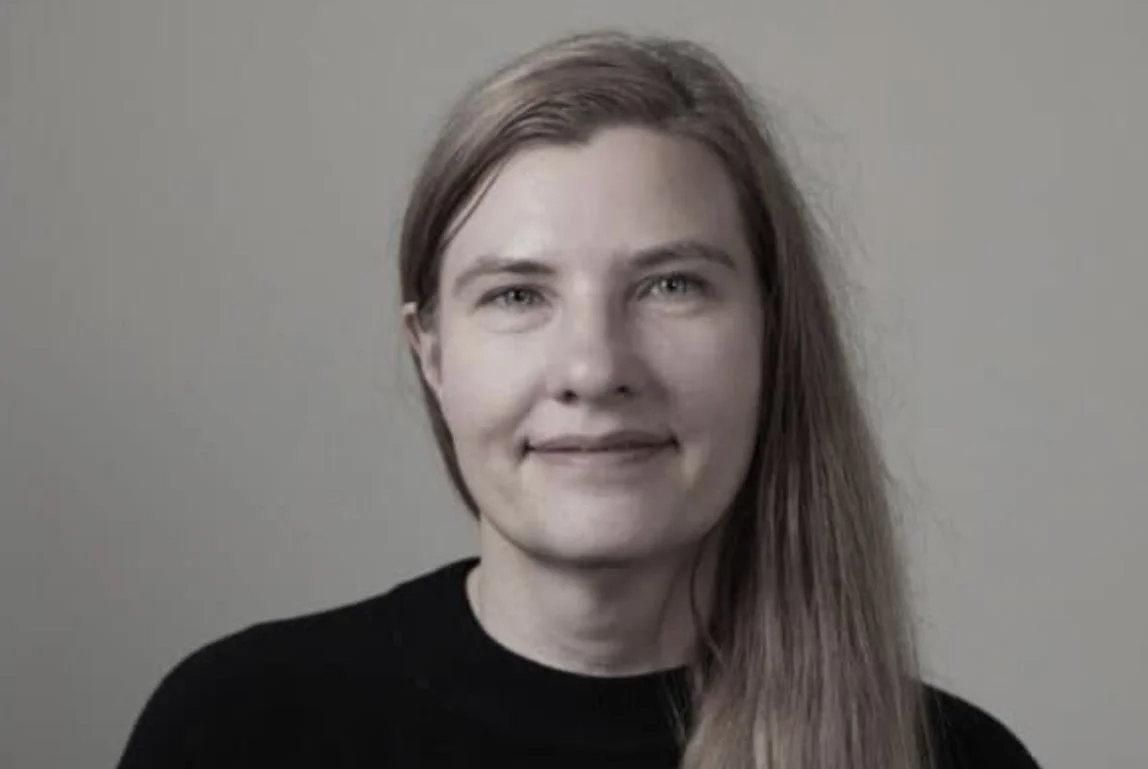
My Story
One of my earliest memories is realizing that my relationship with food was different from that of other children.
I was one of the few overweight children in my elementary school during the early 1980s. At a time when childhood obesity was much less common, I often felt alone. I desperately wanted to look like the other girls because, in my mind, being thin meant being accepted. It meant fitting in. It meant no longer feeling different.
I went on my first diet when I was seven years old.
Like many people who struggle with their weight, I lost weight, gained it back, and then gained even more. Without realizing it, I had already begun a cycle that would continue for many years.
School was especially difficult. I dreaded being weighed in front of my classmates during gym class, and I was teased relentlessly about my body. Those experiences left a lasting impression and shaped the way I saw myself for many years.
My mind was always focused on food.
At birthday parties, I would carefully watch the cake being cut and hope I would receive a large piece. At lunchtime, I paid close attention to what everyone else had packed. When I visited friends whose cupboards were filled with cookies and snacks, it felt almost impossible to stop eating.
Ironically, my parents generally prepared simple, home-cooked meals. I did not grow up surrounded by junk food. Looking back, I understand that my struggle was never only about what food was available. It was also about the role food played in my life. Even as a child, I often turned to it for comfort, relief, and something to do when I was bored or unhappy.
Throughout middle school and high school, my weight continued to fluctuate. Even when I successfully lost weight, I rarely felt secure because I lived with the fear that it would return.
Learning to Understand Myself
Exercise was never a natural part of my childhood.
I had severe, uncontrolled asthma and was hospitalized many times because of it. Running and vigorous activity could trigger an asthma attack, so I learned to avoid them. While other children played sports or ran outside, I often watched from the sidelines.
My older sister had a completely different relationship with movement. She was naturally thin, loved running, and joined her school’s track team. I remember wondering how someone could genuinely enjoy exercise. When she was stressed, she wanted to run. When I was stressed, I wanted comfort food.
Improved asthma medication eventually made it possible for me to become more active, but by then exercise had never become part of my identity.
During my twenties, my weight fluctuated, although I generally managed to remain within a relatively healthy range. Looking back, much of my motivation came from wanting to look a certain way rather than truly understanding or caring for my health.
In my thirties, my father spent several years battling prostate cancer before he passed away. During that painful period, I increasingly relied on food for comfort.
I still ate what most people would consider a nutritious diet, but I regularly continued eating beyond the point of fullness. Even a healthy meal, such as homemade soup, became more than my body needed when I kept eating after I was satisfied.
Year after year, my weight gradually increased. There was no single dramatic moment when everything changed. By the time I was forty, I had become obese and had begun to wonder whether this was simply the body I would have for the rest of my life.
The Mind Changed Before My Body Did
In my mid-thirties, motivated partly by grief, I began attending Buddhist meditation classes.
For the first time, I learned to observe my thoughts instead of automatically reacting to them. I became curious about how the mind works, how we relate to ourselves, and how our habits can develop without our fully realizing it.
Meditation did not make painful feelings disappear, but it helped me understand that I could experience discomfort without immediately trying to escape it. Slowly, I began developing new ways of responding to stress instead of automatically turning to food.
I was also introduced to a community of positive people who were interested in learning about themselves and becoming happier, kinder, and more beneficial to others. That environment changed the way I thought about myself and what might be possible for my life.
At the time, I was still struggling with my weight. Because I ate mostly nutritious, home-cooked food, I had begun telling myself that perhaps age, hormones, or my body itself was preventing me from losing weight.
Then a simple conversation helped change my perspective.
During an appointment with an acupuncturist, I mentioned how frustrated I felt. He reminded me that weight loss ultimately requires an energy deficit: consistently taking in a little less energy than the body uses.
Of course, I had heard that before. After a lifetime of dieting, the concept was not new to me.
But this time, I believed it.
The information had not changed. I had.
Instead of looking for another perfect diet or trying to transform everything overnight, I began wondering what might happen if I consistently ate just a little less and moved a little more.
I started leaving four or five bites on my plate when I realized my body had received enough. I walked more and sometimes got off the subway a few stops early so I could walk the rest of the way home.
The changes were small, and most weeks the scale did not move. Sometimes it felt as though nothing was happening at all.
But I kept going.
Every so often, the number dropped. Then it remained the same for a while before eventually dropping again. I gradually lost approximately twenty pounds per year until, over the course of six years, I had lost more than 120 pounds.
Even more importantly, I learned how to maintain that weight loss by building habits I could sustain.
I did not change my life in six months. I changed my daily habits, and over six years, those habits changed my life.
Discovering Movement
As the weight slowly came off, something else began to change.
For most of my life, I had been embarrassed to exercise in public. I imagined everyone would notice how out of shape I was or judge how slowly I moved. Even the idea of running on a public track made me anxious. I pictured it filled with athletic people effortlessly running lap after lap while I struggled to make it halfway around.
One day, I decided to go anyway.
I had read a little about how to begin running, so I started by alternating between walking and short periods of jogging. I could not run very far at first, but I kept showing up.
I quickly discovered something that changed the way I saw myself: nobody cared what I looked like.
The track was not filled only with elite athletes. It was filled with real people of different ages, body types, and fitness levels. Some ran quickly. Others walked slowly. Some pushed strollers. Everyone was simply moving for their own reasons.
The judgment I had feared for so many years existed mostly in my own mind.
For the first time, movement began to feel like freedom instead of punishment. I began to understand the energy, accomplishment, and confidence that exercise could create. I could picture a future version of myself who was healthy, active, strong, and genuinely enjoying life.
That vision became more powerful than the fear that had held me back.
Looking back, I was not only building endurance. I was building confidence. Each walk, run, and workout challenged the limitations I had accepted about myself for years.
Why I Became a Coach
As people began noticing my transformation, they naturally started asking what I had done and how I had kept going.
At first, I never imagined becoming a coach. I was simply sharing what had worked for me. But the encouragement I received made me realize that my experience might help people facing many of the same struggles I had known so well.
That realization inspired me to pursue professional education in personal training, nutrition, wellness, and weight management. I wanted to combine my lived experience with evidence-based knowledge so I could offer more than inspiration or general advice.
The more I learned, the more clearly I understood why the gradual approach I had taken was so effective.
My education helped me recognize that weight management is influenced by much more than willpower. Hunger, energy expenditure, daily movement, sleep, stress, muscle mass, metabolism, behavior, environment, and the body’s natural adaptations all affect the process. These factors can make losing weight—and maintaining that loss—feel extraordinarily difficult.
Understanding this science was validating. It helped me see that struggling with weight does not mean someone is lazy, weak, or incapable of change. The obstacles are real, but they can be approached with knowledge, realistic expectations, compassion, and a well-designed plan.
What began as a personal journey gradually became a calling.
Why I Coach the Way I Do
My fitness education also taught me that an effective exercise program is not built around doing as much as possible as quickly as possible.
It is built progressively.
Before adding intensity, it is important to establish a foundation of mobility, stability, balance, coordination, and proper movement patterns. A thoughtfully designed program considers a person’s current abilities, goals, health history, and everyday life. It then progresses gradually as the person becomes stronger, more confident, and better prepared for new challenges.
This approach is especially meaningful to me because I know what it feels like not to identify as an “exercise person.” I understand how intimidating fitness can seem when you are uncomfortable in your body, worried about being judged, unsure how to begin, or carrying physical limitations from the past.
I do not believe people need to be pushed until they are exhausted to make meaningful progress. They need guidance that is appropriately challenging, safe, purposeful, and adaptable.
My goal is to help clients build bodies that function well in everyday life—not simply complete difficult workouts. That may mean improving balance, learning how to squat and lift safely, becoming more comfortable walking, developing strength, increasing endurance, or eventually doing something they once believed was impossible.
My Credentials
I am a NASM Certified Personal Trainer and Certified Nutrition Coach, with additional education in wellness and weight-loss coaching.
My professional education includes exercise science, functional movement, progressive program design, nutrition, behavior change, weight management, and sustainable lifestyle development.
I believe learning never stops. I continue expanding my knowledge so I can provide evidence-based guidance while meeting every client with compassion, curiosity, and respect.
My Coaching Philosophy
I do not believe lasting health is built through guilt, punishment, or perfection. I believe it is built through awareness, education, compassion, and consistency.
These principles guide my coaching:
Nourish, don’t punish. Food is meant to support your body, not become a source of guilt or shame.
Progress over perfection. Lasting change comes from small choices repeated consistently, not from doing everything perfectly.
Replace judgment with curiosity. Instead of criticizing yourself for a choice or setback, ask what happened, what you needed, and what you can learn from it.
Listen to your body. Rather than only asking, “What do I feel like eating?” begin asking, “What does my body need right now?”
Move because you can. Exercise is not punishment for what you ate. It is an opportunity to care for your body, become stronger, and discover what you are capable of doing.
Build before you intensify. A strong foundation makes progress safer, more effective, and more sustainable.
Believe before you see. Change begins when you can imagine a different future and become willing to take one small step toward it.
For years, I believed I needed to change my body before I could be happy. What I eventually discovered was that the greatest transformation happened in my mind.
I learned to stop fighting with food and begin listening to my body. I learned to replace self-criticism with self-respect. I learned that health is something we practice rather than something we achieve once.
Today, my goal is not simply to help people lose weight. It is to help them build a healthier relationship with food, movement, and themselves.
Let’s Begin Your Journey
Perhaps you know what healthy eating looks like but struggle to follow through consistently. Perhaps you have lost weight before, only to gain it back. Maybe exercise feels intimidating, or you have started to believe that age, your metabolism, your history, or your body makes lasting change impossible.
I understand how overwhelming that can feel because I have lived it myself.
You do not have to transform your entire life overnight. You do not have to be perfect. You simply need a realistic place to begin and the willingness to keep taking the next step.
My role is not to judge you or dictate what you “should” do. It is to meet you where you are, help you understand your body and your patterns, and work with you to build a plan that fits your real life.
If my story resonates with you, I would be honored to help you begin the next chapter of yours.